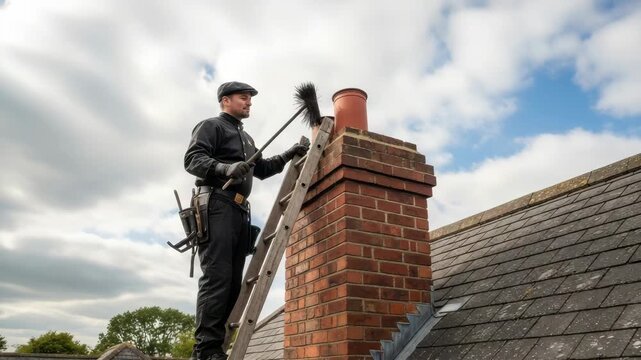
Chimneys in Plano face the harsh challenges of the local weather — scorching sun in the summer, strong storms in the winter, and occasional heavy rains during spring and fall. Over time, even chimneys built by the best companies can start to show signs of wear and tear.
The big question is: How do you know when to call a professional and how much it costs?
Based on years of experience, we’ve identified 5 key signs that indicate your chimney may need cleaning or maintenance. These warning signs are exactly why homeowners in Plano trust Chimney Solutions for fast, reliable, and professional chimney care.
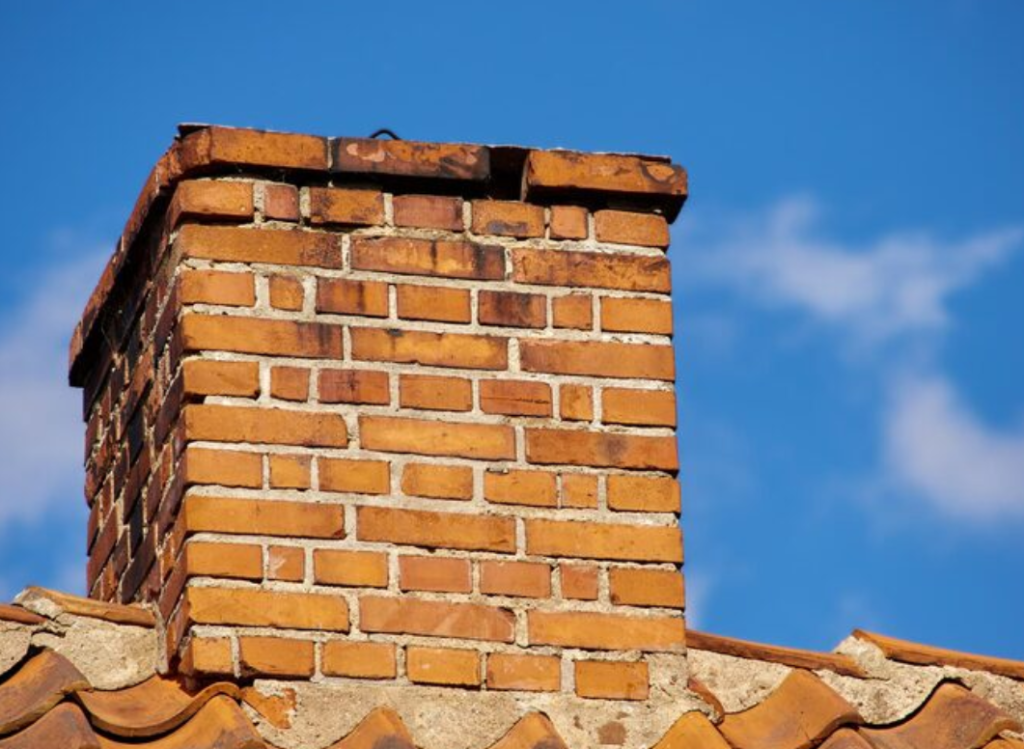
1. Cracked or Peeling Brick and Mortar
If you notice pieces of mortar falling off your chimney’s exterior or visible cracks forming in the brickwork, this is a clear warning sign of chimney damage. Over time, moisture can seep into the bricks and mortar. During colder weather, this trapped moisture freezes and expands, pushing the brick surface outward and causing cracking or peeling.
Common causes of this issue include:
- Improper or damaged chimney flashing
- Rainwater penetrating the brick structure
- Poor or worn-out sealing
- Foundation settling over time
Ignoring these problems can seriously weaken your chimney’s structure and may eventually require costly rebuilding. That’s why our experienced team provides professional chimney repair and tuckpointing services to protect both the strength and appearance of your chimney, keeping it safe and long-lasting for your home.
2. Chimney Crown Is Cracked or Showing White Staining
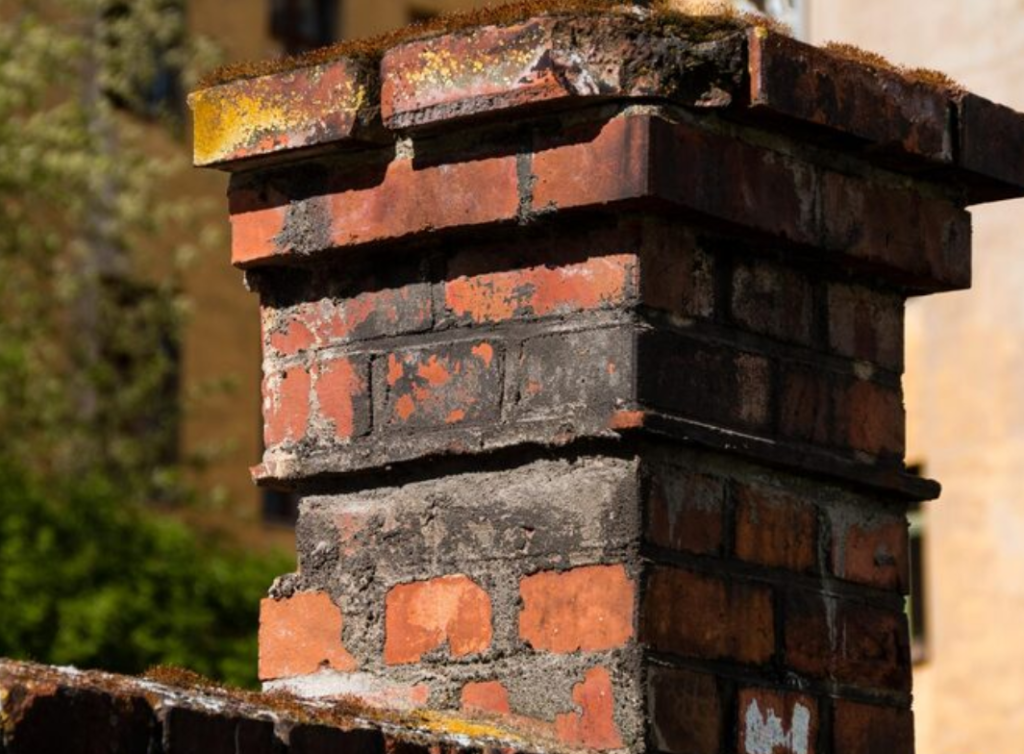
The chimney crown, the concrete slab that caps the very top of the chimney, takes the brunt of Plano’s weather year-round intense summer heat followed by occasional freezing nights. Over time, this constant expansion and contraction can cause the crown to crack, giving water a direct path down into the chimney structure.
A related warning sign is efflorescence a white, powdery residue that appears on the brick surface. This is not just discoloration it’s a clear indication that water is passing through the masonry and bringing mineral deposits to the surface as it evaporates.
Common causes of crown and efflorescence issues include:
- Age-related wear from repeated heating and cooling cycles
- Original construction using lower-quality materials
- Existing cracks that were never sealed
Left unaddressed, a damaged crown allows water to reach the flue liner and interior brickwork, leading to far more expensive repairs than a simple crown repair or resealing would have cost. Our team can inspect the crown and apply a waterproof sealant or recommend a full crown rebuild if the damage is significant.


3. Your Chimney Appears to Be Leaning or Tilting
This is one of the more serious warning signs, and it shouldn’t be ignored. A chimney that looks even slightly off from vertical usually points to a foundational or structural issue often caused by soil settling unevenly beneath the chimney’s footing, which is a separate foundation from the rest of the house.
A leaning chimney can also result from long-term water damage that has weakened the mortar and brick structure from the inside out.
If you notice any tilt, however small it seems, it’s worth having a professional assess the situation right away. This isn’t something that resolves on its own, and the longer it’s left, the more it can affect the stability of the chimney and potentially the roofline it’s attached to.
4. Water Stains Around the Chimney
In many Plano homes with stucco, stone veneer, or brick chimneys, water leakage signs often appear around the fireplace, interior walls, or ceilings. These stains are a strong indication that moisture is entering your chimney system and causing hidden damage.
Common causes of chimney water leaks include:
- Cracks or damage in the chimney cap
- Worn or faulty flashing around the chimney base
- Mortar joints absorbing moisture
- Clogged or poorly maintained gutters
Ignoring chimney water leaks can lead to serious problems such as mold growth, wood rot, and structural damage over time. Addressing moisture issues early helps protect your chimney, your home’s structure, and your indoor air quality.
5. Visible Rust on Chimney Components
If you notice rust on different parts of your chimney—such as the firebox, chimney cap, or damper—it is a clear sign that moisture is entering your chimney system. One common reason for this problem is a missing or damaged chimney cap, which allows rain and humidity to get inside.
Clear signs of chimney rust include:
- A rusted damper that is difficult to open or close
- A chimney cap that appears warped or deteriorated
- Discoloration on the exterior chimney surfaces
- Cracks or crumbling cement on the chimney crown
Even minor rust should never be ignored. Addressing moisture and rust issues early helps prevent further damage and protects you from costly chimney repairs in the future. Timely professional inspection and maintenance can keep your chimney safe, durable, and fully functional.
Book Your Chimney Cleaning & Sweeping
If you notice any of these warning signs and it has been more than a year since your last chimney inspection, now is the right time to schedule professional service. Our experienced team provides a complete chimney inspection to identify issues early.