A chimney can look perfectly fine from the outside while soot, creosote, debris, or other obstructions build up inside. Because much of the chimney system is hidden from view, homeowners may not realize there is a problem until they notice changes in how their fireplace operates.
Knowing the warning signs can help you recognize potential chimney problems before they become more serious. Smoke entering the room, unusual odors, difficulty maintaining a fire, and visible residue around the fireplace can all provide clues that your chimney needs attention. Animal nests and problems with the damper or draft may also affect how safely and efficiently your fireplace operates.
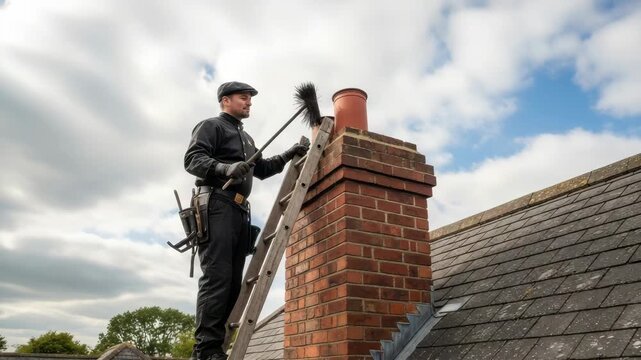
For Plano homeowners, regular chimney maintenance is an important part of responsible fireplace care. Whether you use your fireplace frequently or only occasionally, understanding these warning signs can help you decide when it may be time for professional chimney cleaning or inspection.
1. You Can See Creosote or Heavy Soot Buildup
One of the clearest reasons to consider chimney cleaning is visible evidence of soot or creosote buildup.
Soot is a fine, black residue produced during combustion. Creosote is another combustion by product that can accumulate inside achimney, particularly when wood is burned. Depending on its stage and composition, creosote may appear flaky, sticky, thick, or shiny and glazed.
The concern is not simply that the chimney looks dirty. Creosote is combustible, and significant accumulation can increase the risk of a chimney fire. Heavy deposits can also contribute to restricted airflow through the flue.
Some buildup may be visible around the fireplace or damper, but much of the chimney’s interior cannot be seen during a basic household check. This is why homeowners should not assume that a chimney is clean simply because the fireplace looks tidy.
If you notice substantial soot or creosote in accessible areas, it is a good reason to have the chimney professionally evaluated. A qualified professional can determine how much buildup is present and whether cleaning is necessary.
2. Smoke Is Entering Your Room Instead of Going Up the Chimney
A properly functioning fireplace should vent smoke through the chimney and out of the home. If smoke repeatedly enters your living space instead, something may be interfering with the chimney’s ability to draft properly.
A blockage caused by creosote, soot, debris, or an animal nest can restrict the passage of smoke. However, smoke entering the room does not automatically mean that chimney cleaning is the only solution. A closed or malfunctioning damper, poor draft conditions, wet firewood, or other ventilation issues can also contribute.
This is a warning sign that should not be ignored. Besides creating unpleasant odors and leaving smoke residue indoors, fireplace smoke can affect indoor air quality. Any combustion appliance can also produce carbon monoxide, an invisible and potentially dangerous gas.
If smoke repeatedly enters your home while the fireplace is in use, stop using it until the cause is identified. A professional evaluation can help determine whether the problem is related to chimney buildup, an obstruction, draft conditions, or another issue.
3. Your Fire Is Difficult to Start or Won’t Stay Burning
Changes in how your fireplace burns can provide another clue that something is affecting your chimney or ventilation system.
A fire needs adequate oxygen and proper airflow to burn efficiently. If your fire suddenly becomes difficult to start, burns weakly, or repeatedly goes out, restricted airflow may be one possible explanation. Buildup inside the chimney or an obstruction in the flue can interfere with the movement of air and smoke.
However, chimney buildup is not the only possible cause. Wet or improperly seasoned firewood, an improperly positioned damper, insufficient ventilation, or other fireplace issues can also affect fire performance.
Pay attention to changes from your fireplace’s normal behavior. If you have used the same fireplace successfully in the past but now struggle to start or maintain a fire, it is worth investigating the reason rather than repeatedly adding more wood or trying to restart the fire.
A professional chimney assessment can help determine whether the issue is related to cleaning, an obstruction, draft problems, or another condition affecting fireplace performance.
4. Your Fireplace Has a Persistent Smoky or Unpleasant Odor
A fireplace may naturally have a mild wood-burning smell after use, but a strong or persistent odor when the fireplace is not operating can be a warning sign.
A smoky, campfire-like, or tar-like smell may become more noticeable when combustion byproducts have accumulated inside the chimney. Moisture can also interact with soot and creosote and contribute to unpleasant odors.
Plano’s weather can change throughout the year, and periods of rain and humidity can make moisture-related chimney concerns more noticeable. However, an unusual smell does not automatically mean the chimney needs cleaning. It can also be associated with moisture intrusion, ventilation problems, or other chimney conditions.
The important thing is to pay attention when an odor is new, unusually strong, or continues to return.
If your fireplace consistently smells smoky or unpleasant even when you are not using it, consider having the chimney evaluated. Identifying the source can help determine whether cleaning is appropriate or whether another underlying problem needs attention.
5. You Notice Black or Oily Residue Around the Fireplace
Visible black or oily residue around your fireplace can be another clue that combustion byproducts have accumulated inside the chimney system.
Creosote can have a sticky, tar-like consistency, and certain types of buildup may leave dark or oily-looking deposits on surfaces. If you notice new black marks around the fireplace, unusual residue near the damper, or deposits that seem different from ordinary fireplace ash, pay attention to the change.
This sign is particularly worth investigating when it appears alongside other symptoms, such as unusual odors, smoke entering the room, or changes in fireplace performance.
It is important to remember that homeowners cannot always determine the amount or condition of buildup based on what they can see around the fireplace. The most significant accumulation may be deeper inside the flue.
If you notice unusual black or oily residue, a professional chimney evaluation can help determine whether the deposits are related to creosote and whether cleaning is necessary.
6. You Hear Animals or Find Nesting Material in the Chimney
Your chimney can provide an attractive shelter for birds and other small animals. If you hear scratching, chirping, or movement coming from the chimney, or find feathers, nesting material, or animal droppings around the fireplace, there may be an obstruction inside.
Animal nests can interfere with proper airflow and restrict the chimney passage. In some situations, an animal may also become trapped inside the chimney.
This is one reason homeowners should pay attention to unusual sounds or signs of animal activity before lighting a fire. Burning a fire while an animal or combustible nesting material is inside the chimney can create additional safety concerns.
If you suspect that an animal has entered your chimney, avoid using the fireplace until the situation has been properly assessed. Do not attempt to burn out a nest or force an animal out by lighting a fire.
After the immediate problem is addressed, a professional can determine whether the chimney contains additional debris or buildup. Appropriate chimney protection, such as a properly installed chimney cap, may also help reduce the likelihood of future animal entry.
7. Your Damper Is Black, Hard to Operate, or Your Chimney Has Poor Draft
The damper helps control airflow through your fireplace and chimney. If it becomes difficult to open or close, appears heavily coated with black residue, or does not seem to operate correctly, it may indicate a buildup or mechanical problem that deserves attention.
Poor draft can create additional warning signs. You may notice smoke entering the room, difficulty starting a fire, or a fire that does not burn as expected.
However, draft problems can have multiple causes. Chimney obstructions, buildup, damper problems, chimney design, weather conditions, and inadequate air supply can all influence how air moves through the system.
This is why it is important not to assume that every draft problem can be solved simply by cleaning the chimney. The underlying cause needs to be identified.
If the damper is difficult to operate or your fireplace consistently has draft problems, professional evaluation can help determine whether the chimney needs cleaning, repair, or another type of maintenance.
Other Factors That Can Affect How Often Your Chimney Needs Cleaning
There is no single cleaning schedule that works identically for every chimney. How often your chimney needs attention can depend on several factors.
How Frequently You Use Your Fireplace
The more often you burn wood, the more combustion byproducts your chimney may accumulate. Homeowners who use a wood-burning fireplace frequently may need to monitor buildup more closely than those who use their fireplace occasionally.
The type and condition of the firewood you burn can also affect the amount of smoke and combustion byproducts produced. Properly seasoned firewood generally burns more efficiently than wet or unseasoned wood.
When It Was Last Cleaned or Inspected
If you cannot remember the last time your chimney was cleaned or inspected, that is useful information to consider. A long gap between maintenance appointments does not automatically mean your chimney is unsafe, but it does mean you may not know the current condition of the flue.
Regular inspections can help identify buildup, obstructions, or developing problems before they become more serious.
Whether You Recently Bought the Home
Buying a new home is another reason to consider having the chimney evaluated, particularly if you do not have reliable maintenance records from the previous owner.
You may not know how frequently the fireplace was used, what type of fuel was burned, or when the chimney was last serviced. Establishing a clear understanding of its current condition can help you make informed maintenance decisions going forward.
Why Plano Homeowners Should Pay Attention to Chimney Maintenance
Chimney maintenance is easy to overlook because most of the system is hidden from everyday view. A chimney may appear perfectly normal from the outside while problems are developing inside the flue.
Plano homeowners should pay attention to changes in fireplace performance, unusual odors, visible buildup, and signs of animals or debris. Weather exposure can also contribute to moisture-related deterioration over time, making regular attention to the entire chimney system important.
The goal of chimney maintenance is not simply to keep the fireplace looking clean. It is about supporting safe ventilation, identifying potential hazards, and helping the chimney and fireplace system function as intended.
By recognizing warning signs early, homeowners can make better decisions about when cleaning, inspection, or other maintenance may be necessary.
What to Do If You Notice These Warning Signs
If you notice one or more of these warning signs, do not ignore them or assume the problem will disappear on its own.
If smoke is entering your home, you suspect a serious blockage, or you believe an animal may be trapped inside the chimney, stop using the fireplace until the situation has been evaluated.
It is also important to understand the difference between chimney cleaning and chimney inspection. Cleaning focuses on removing accumulated soot, creosote, and certain debris from the chimney. An inspection, on the other hand, evaluates the condition of the chimney and its components and can help identify problems that cleaning alone will not resolve.
Depending on what you observe, you may need cleaning, an inspection, or both. A professional evaluation can help determine the appropriate next step instead of relying on symptoms alone.
When you know what warning signs to watch for, you can take action sooner and avoid allowing a small chimney maintenance concern to become a larger problem.


