Professional Chimney & Fireplace Inspections
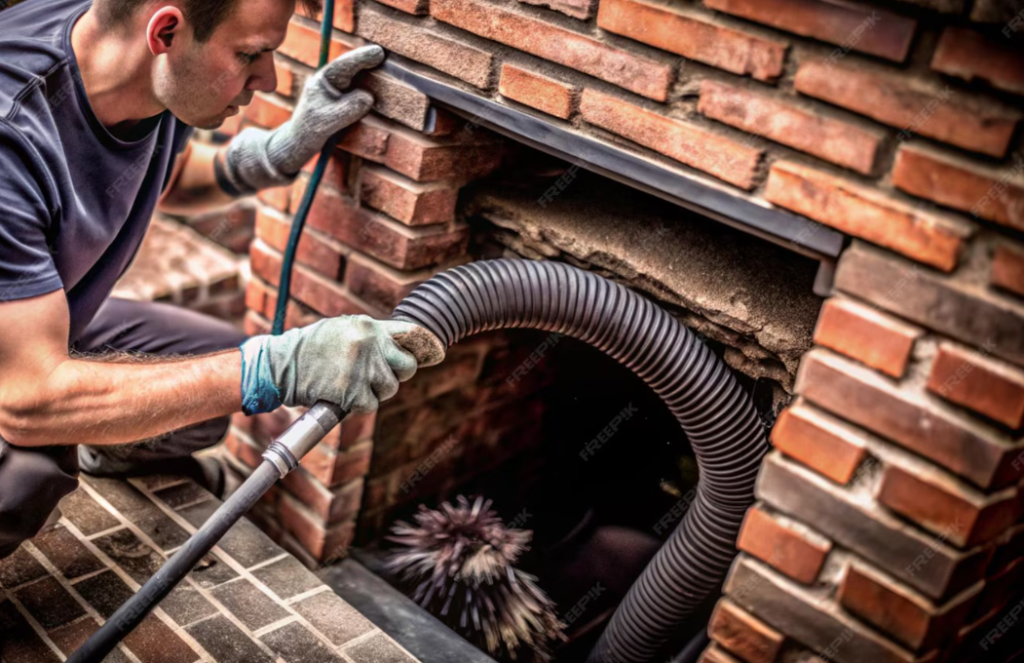
Your chimney may look fine from the outside while hidden problems develop inside the flue, liner, or other parts of the chimney system. Cracks, blockages, creosote buildup, moisture damage, and animal nests are not always easy for homeowners to identify without a professional evaluation.
A chimney inspection can help you understand the condition of your fireplace and chimney system before a small issue becomes a more expensive or potentially dangerous problem. Whether you use your fireplace regularly, recently purchased a home, noticed unusual smoke or odors, or simply cannot remember the last time your chimney was inspected, a professional evaluation can provide valuable information about your system.
At Chimney Solutions Plano, we provide chimney inspection services for homeowners in Plano, TX, helping identify visible and accessible concerns and explaining what steps may be needed next.
Professional Chimney Inspection Services in Plano, TX
A chimney inspection is more than simply looking at the outside of your chimney. Your fireplace and chimney work together as a system, and problems in one area can affect the safety and performance of another.
Depending on the inspection level and the accessible areas of your system, an inspection may evaluate components such as:
- Chimney exterior and visible masonry
- Chimney crown
- Chimney cap and visible termination
- Firebox
- Damper
- Smoke chamber
- Flue and liner
- Accessible interior areas
- Visible creosote or soot buildup
- Potential blockages or debris
- Signs of animal activity
- Visible signs of moisture intrusion or deterioration
The purpose of an inspection is to identify potential concerns and give you a clearer understanding of your chimney’s condition. If the inspection reveals a problem that requires cleaning, repair, or additional evaluation, you can make an informed decision about the next step.
Why Do Plano Homeowners Need a Chimney Inspection?
Many chimney problems develop in areas that are difficult to see from the ground or from inside the fireplace. A chimney can appear normal while hidden damage, blockages, or deterioration are developing within the system.
Regular inspections can help identify concerns such as:
- Cracked or deteriorating masonry
- Flue or liner damage
- Creosote or soot accumulation
- Animal nests or other obstructions
- Damaged chimney caps or crowns
- Signs of moisture intrusion
- Damaged or malfunctioning dampers
- Draft or ventilation concerns
Plano homeowners may also experience chimney-related issues after periods of severe weather. Strong winds, heavy rain, and storms can affect exposed chimney components, while moisture can contribute to deterioration over time.
An inspection does not guarantee that every future problem can be prevented, but it can help identify existing concerns before they become more difficult or expensive to address.
When Should You Schedule a Chimney Inspection?
Knowing when to schedule an inspection is just as important as knowing what an inspection includes. You should consider having your chimney professionally evaluated in several situations.
At Least Once a Year
Annual chimney inspections are widely recommended as part of routine fireplace and chimney maintenance. Regular inspections can help identify changes or developing problems that may not be obvious to the homeowner.
Even if your fireplace appears to be working normally, hidden issues can still exist.
After Buying a Home
If you recently purchased a home in Plano, you may not know the complete maintenance history of the chimney.
A general home inspection may not provide the same specialised evaluation of the chimney system. A professional chimney inspection can help you better understand its current condition and identify issues that may require attention.
Before Using a Fireplace After a Long Break
If your fireplace has been unused for an extended period, an inspection can help identify potential blockages, animal activity, deterioration, or other concerns before you begin using it again.
This can be particularly useful before the start of the colder season when fireplaces are used more frequently.
After a Chimney Fire or Suspected Damage
A chimney fire can cause damage that is not always visible from the outside. If you suspect that a chimney fire has occurred, stop using the fireplace and arrange for a professional evaluation before using the system again.
After Severe Weather or Storm Damage
Storms and strong winds can damage chimney caps, masonry, flashing, and other exposed components. If your chimney has been affected by severe weather or you notice visible damage afterward, an inspection can help determine whether further attention is needed.
When You Notice Smoke, Odors, or Draft Problems
Smoke entering your living space, unusual chimney odors, or changes in fireplace performance should not be ignored. These symptoms can have multiple possible causes, including blockages, draft problems, buildup, or other issues.
A professional inspection can help determine what may be contributing to the problem.
What Does a Chimney Inspection Include?
The exact scope of a chimney inspection depends on the type of inspection required and the areas that are accessible. A professional evaluation may include an examination of the following components.
| Inspection Area | What May Be Checked |
|---|---|
| Chimney Exterior | Visible cracks, masonry deterioration, and other signs of damage |
| Chimney Crown | Cracks and visible signs of water intrusion |
| Chimney Cap | Visible damage, debris, or missing components |
| Firebox | Visible damage, deterioration, and excessive buildup |
| Damper | Operation and visible condition |
| Smoke Chamber | Accessible condition and signs of buildup |
| Flue and Liner | Visible damage, blockages, or buildup |
| Interior Areas | Accessible signs of deterioration or obstruction |
| Surrounding Areas | Visible signs of moisture or related concerns |
The inspection is intended to give you a better understanding of the condition of your chimney and fireplace system. If a concern is identified, you can discuss the appropriate next step with a professional.
Our Chimney Inspection Process
A professional chimney inspection should be systematic and focused on the condition of the entire accessible system rather than a quick visual glance.
1. Initial Assessment
The inspection begins by understanding the reason for the appointment and any concerns you have noticed. Information about your fireplace use, previous maintenance, or recent changes can help provide useful context.
2. Interior Inspection
Accessible interior components of the fireplace and chimney system are evaluated for visible concerns such as buildup, damage, or potential obstructions.
3. Exterior Inspection
The accessible exterior portions of the chimney are examined for visible signs of damage, deterioration, moisture-related concerns, or problems with components such as the crown and cap.
4. Evaluation of Potential Concerns
The inspection focuses on identifying conditions that may affect the safety or performance of the chimney and fireplace system.
5. Explanation of Findings
After the inspection, the findings should be explained clearly so you understand what was observed and why it may matter.
6. Recommended Next Steps
Depending on the condition of your chimney, the recommended next step may be routine maintenance, chimney cleaning, repair, or additional evaluation.
The goal is to give homeowners useful information so they can make informed decisions about their chimney system.
Understanding Chimney Inspection Levels
Not every chimney requires the same type of inspection. The National Fire Protection Association (NFPA) describes three levels of chimney inspection, with the appropriate level depending on the condition and history of the system and the reason for the inspection.
Level 1 Chimney Inspection
A Level 1 inspection is generally used when no significant changes have been made to the chimney or fireplace system and there are no known indications of a problem.
The inspection focuses on readily accessible portions of the chimney and connected appliance, looking for visible concerns and verifying that the system is not obviously obstructed.
Level 2 Chimney Inspection
A Level 2 inspection is more comprehensive and may be appropriate when certain changes or circumstances are involved.
Examples may include:
- Buying or selling a home
- Changing the type of appliance or fuel
- Making significant changes to the fireplace or chimney system
- Suspected damage
- A chimney fire
- Changes in fireplace performance
- Certain situations following severe weather
A Level 2 inspection may include a more detailed examination of the accessible portions of the chimney system and, where applicable, additional evaluation of the flue.
Level 3 Chimney Inspection
A Level 3 inspection is the most extensive level and is generally considered when a serious suspected problem cannot be adequately evaluated through a Level 1 or Level 2 inspection.
This type of inspection may require access to concealed areas or removal of certain components to investigate the suspected problem. Because it can involve more extensive work, it is generally considered when other inspection methods are insufficient.
Which Chimney Inspection Level Do You Need?
The right inspection level depends on your individual situation. Your home’s history, fireplace system, recent changes, suspected damage, and reason for the inspection can all affect which level is appropriate.
If you are unsure which type of chimney inspection you need, a professional can help determine the appropriate scope based on your circumstances.
Chimney Inspection vs. Chimney Cleaning: What’s the Difference?
Chimney inspection and chimney cleaning are related but different services.
A chimney inspection focuses on evaluating the condition of the chimney and fireplace system. It can help identify potential problems such as damage, blockages, deterioration, or other safety concerns.
Chimney cleaning focuses on removing accumulated substances such as soot and creosote from the chimney system when cleaning is necessary.
A chimney may need an inspection, cleaning, or both. For example, a chimney inspection may identify buildup that requires cleaning, while a cleaning appointment may also involve a basic inspection depending on the service provided.
The important point is that cleaning does not automatically replace a complete chimney inspection. If you are concerned about the condition of your chimney, it is important to understand which service is appropriate for your situation.
Signs You May Need a Chimney Inspection
Some warning signs indicate that your chimney may need professional attention.
Consider scheduling an inspection if you notice:
- Smoke entering the room instead of venting properly
- Persistent smoky or unusual odors
- Changes in fireplace draft
- Difficulty starting or maintaining a fire
- Falling pieces of masonry or debris
- Visible cracks or deterioration
- Water stains or signs of moisture
- Animal noises or nesting material
- Problems operating the damper
- Suspected damage after a storm or chimney fire
These symptoms do not always mean that cleaning is the only solution. Smoke problems, for example, may have several possible causes. An inspection can help determine whether the issue is related to buildup, blockage, damage, draft, or another condition.
If smoke is entering your home or you suspect a serious blockage or damage, avoid using the fireplace until the problem has been evaluated.
Chimney Inspections for Home Buyers and Sellers in Plano
Buying or selling a home is another situation where a chimney inspection may be valuable.
A chimney is a specialised system with components that may not be fully evaluated during a standard home inspection. A professional chimney inspection can provide additional information about the condition of the fireplace and chimney system.
For home buyers, an inspection may help identify potential concerns before completing a purchase.
For sellers, identifying chimney problems early can provide an opportunity to address maintenance or repair needs before they become an unexpected issue during the selling process.
If you are involved in a real estate transaction and the property has a fireplace or chimney, ask about the appropriate level of chimney inspection for the situation.
What Happens After a Chimney Inspection?
The next step depends on what the inspection reveals.
No Major Issues Found
If no significant concerns are identified, you can continue with routine chimney and fireplace maintenance and follow an appropriate inspection schedule.
Cleaning Is Recommended
If the inspection identifies excessive soot, creosote, or other removable buildup, chimney cleaning may be recommended.
Learn more about our Chimney Cleaning Plano services to understand how professional cleaning can help maintain your chimney system.
Repairs Are Recommended
If visible damage or deterioration is found, repairs may be necessary to address the underlying problem.
Depending on the issue, this may involve masonry work, chimney components, the crown, cap, flashing, or other parts of the system.
Further Evaluation Is Needed
Some suspected problems cannot be fully evaluated during a basic inspection. In these situations, additional investigation may be recommended to determine the cause and extent of the issue.
The important thing is to understand the finding before deciding what action to take.
How Much Does a Chimney Inspection Cost in Plano, TX?
The cost of a chimney inspection can vary depending on several factors. There is no single price that applies to every chimney or every inspection.
Factors that may affect the cost include:
- The inspection level required
- Chimney size and configuration
- Accessibility
- The reason for the inspection
- The condition of the chimney
- Whether additional diagnostic work is needed
If you are scheduling an inspection, ask what is included in the service and whether cleaning or repairs are charged separately.
A clear explanation of the inspection scope can help you understand what you are paying for before the appointment.
Why Choose Chimney Solutions Plano for Your Chimney Inspection?
When you schedule a chimney inspection, you want more than a quick look at the chimney from the outside. You want a clear understanding of what was examined and whether any areas require attention.
At Chimney Solutions Plano, our goal is to provide homeowners with a professional and straightforward chimney inspection experience.
We focus on:
- Evaluating accessible components of the chimney and fireplace system
- Looking for visible signs of damage, buildup, and blockages
- Identifying potential maintenance concerns
- Explaining findings in clear language
- Helping homeowners understand possible next steps
Whether you are preparing to use your fireplace, recently purchased a home, noticed a change in fireplace performance, or simply want to stay current with chimney maintenance, a professional inspection can help you make informed decisions about your home.
Schedule a Chimney Inspection in Plano, TX
Your chimney can look perfectly normal from the outside while developing problems that are difficult to see from the ground or inside the fireplace. Regular inspections can help you identify potential concerns, understand the condition of your chimney system, and address problems before they become more difficult to manage.
Whether you are a Plano homeowner preparing for fireplace season, a new homeowner, or someone who has noticed smoke, odors, draft problems, or visible damage, Chimney Solutions Plano can help you determine the next step.
Contact us today to schedule your chimney inspection in Plano, TX, and get a clearer understanding of your chimney and fireplace system.